Expert Roofing Services: Repair, Replacement, Installation, and Maintenance Services
Professional roofing services are vital to maintaining the protection and integrity of a home. Appropriate installation, timely repairs, and well-planned replacements can greatly prolong a roof's lifespan. Homeowners often neglect the importance of regular maintenance, which can avoid expensive problems down the line. Grasping the nuances of roofing options can empower homeowners. However, many are uncertain about how to pick the right approach for their unique needs.
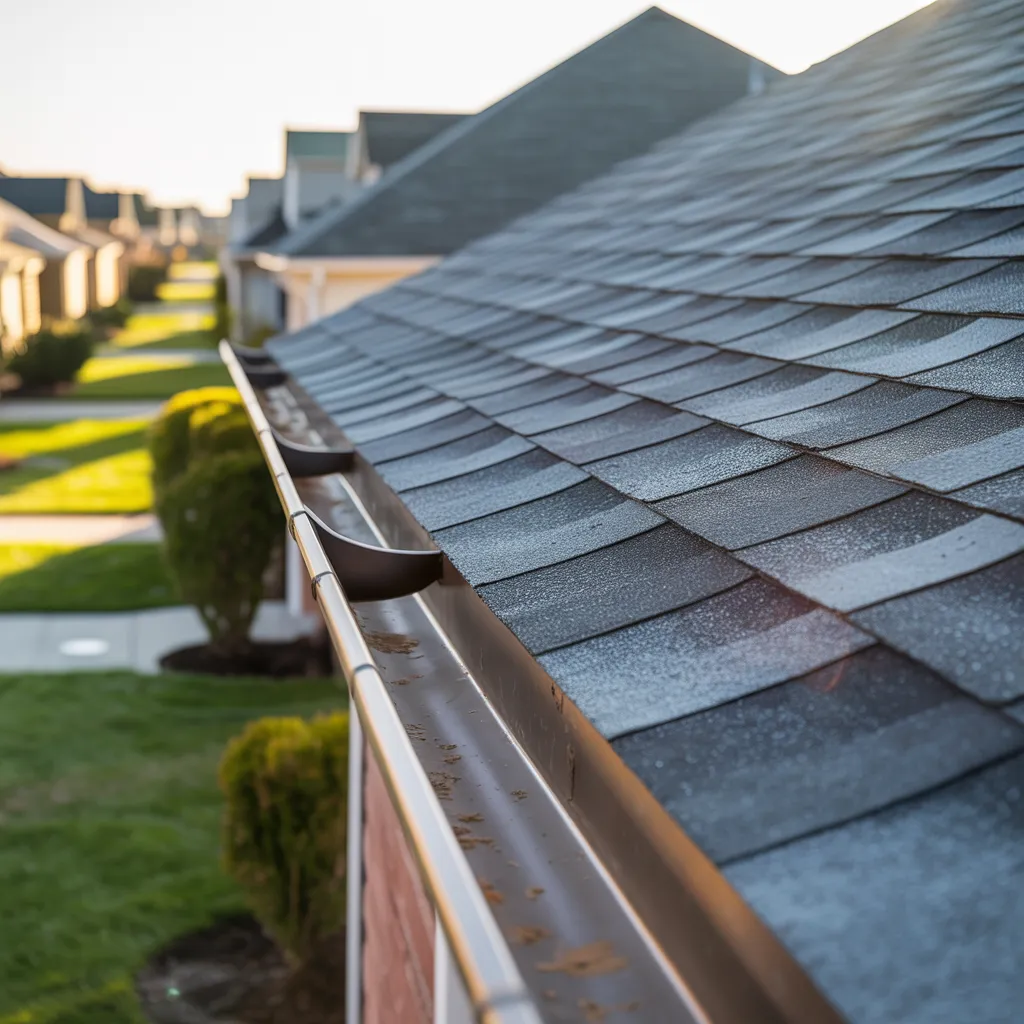
Importance of a Quality Roof Installation
A well-installed roof serves as the first line of defense against the elements, making the importance of quality roof installation essential. A roof shields not only the structural integrity of a building but also the well-being and security of its occupants. Inadequate installation can lead to mold growth, leaks, and water damage, which can undermine the building's foundation and lead to significant repair costs. Moreover, a quality roof contributes to energy efficiency by providing adequate insulation, reducing heating and cooling costs. It enhances the overall aesthetic appeal and market value of the property, making it a smart investment. Additionally, a professionally installed roof meets local building codes and standards, providing safety and reliability. Homeowners should prioritize hiring experienced roofing contractors who understand the intricacies of various roofing materials and techniques, as this can substantially influence the durability and effectiveness of the roof. Finally, a sound installation provides the basis for long-term protection and peace of mind.
Typical Roofing Repairs and the Solutions
Several roofing troubles can occur over time, necessitating timely repairs to maintain the integrity of a home. Common problems include leaks, missing or damaged shingles, and sagging roofs. Leaks typically stem from worn-out flashing or compromised shingles, calling for immediate attention to prevent water damage. Homeowners may need to replace missing shingles or repair damaged ones to secure a watertight seal.
Another typical concern is the accumulation of debris in gutters, which can result in water pooling and resulting roof damage. Routine maintenance and cleaning can reduce this risk. Additionally, sagging roofs can indicate structural problems, demanding a professional evaluation to determine the underlying cause and appropriate solution.
In the end, tackling these standard roofing repairs quickly not only maintains the home's structural integrity but also prolongs the longevity of the roof, delivering peace of mind to homeowners.
When You Should Consider a Roof Replacement
When should a homeowner consider replacing their roof? Several indicators can signal the need for a roof replacement. First, age plays a significant role; the average roof lasts between 20 to 30 years depending on construction materials. Should a roof reach or go beyond this timeframe, replacement ought to be evaluated.
In addition, obvious damage such as bending, absent shingles, or extensive granule loss suggests deterioration. Homeowners should also check for leaks or water stains inside the home, as these can point to deeper problems.
Another factor is the roof's structural integrity; drooping or irregular surfaces can indicate serious problems that warrant a complete replacement. Moreover, if repairs turn out to be frequent and costly, opting for a new roof might be more cost-effective in the long run.
Eventually, speaking with a professional can give clarity on whether a roof replacement is required for maintaining safety and protection.
Consistent Maintenance Techniques for Long-Term Durability
Although numerous property owners might ignore their roofing systems until issues emerge, systematic maintenance efforts are critical for maximizing roof durability. Evaluations ought to be performed no less than two times annually, prioritizing the recognition of issues such as displaced shingles, fissures, or symptoms of leak damage. Removing accumulation, including foliage and limbs, from the roofing and drainage systems stops moisture collection, which might trigger leaking and structural breakdown. Additionally, addressing minor repairs promptly can prevent more extensive damage and costly repairs in the future. Property owners must also verify adequate airflow, as improper ventilation might trigger heat collection and condensation, undermining the roofing system's stability. Finally, scheduling professional evaluations can provide a thorough assessment and expert recommendations tailored to the specific roofing system. Following these routine upkeep procedures ensures a roofing system stays in optimal state, defending the dwelling from natural elements and boosting its overall market value.
Selecting the Ideal Roofing Materials for Your Home
When selecting discover more roofing materials, homeowners must consider several factors such as climate, budget, and aesthetic preferences to secure a durable and visually appealing choice. Different materials present distinct advantages; for example, asphalt shingles are economical and suitable for different climates, while metal roofing provides extended lifespan and energy efficiency.
In areas susceptible to severe weather conditions, slate or tile might be chosen for their durability and resilience to extreme conditions. Moreover, the architectural style of the home should guide the choice of materials; traditional homes often benefit from wood shakes or shingles, while modern designs may prefer metal or flat roofing choices.
Budgetary restrictions likewise fulfill an important purpose, as certain materials demand greater initial expenses but could provide savings in upkeep and utility costs over time. Finally, a thoughtful approach to selecting materials guarantees that homeowners attain a balance between utility and design attractiveness.
Common Questions
How Long Will a Standard Roof Installation Take?
A typical roof installation generally takes 1-3 days, depending on the size of the roof, complexity, and weather conditions. Elements like the material type and crew experience also influence the overall timeframe.
What Warranty Options Are Provided for Roofing Services?
Roofing warranties typically feature material warranties, which last from 20 to 50 years, and workmanship coverage, extending from one to ten years. Duration and coverage levels fluctuate by individual contractor and material type.
Can a New Roof Be Installed Over My Existing One?
Yes, one can install a new roof over an existing one, provided local building codes allow it and the structure can handle the additional weight. However, proper assessment and preparation are essential for long-term durability.
What Are the Warning Signs That Your Roof Needs Repair?
Evidence of a roof requiring repair includes broken or missing shingles, roof leaks, areas showing sagging, water stains on ceilings, heavy granule loss found in gutters, and noticeable mold or mildew growth. Prompt attention can prevent further damage.
How Does Weather Impact Roofing Projects?
Climate conditions heavily impact roofing projects. Precipitation stalls the installation process, while harsh temperature conditions can compromise the integrity of materials. High wind speeds present safety concerns, and accumulated snowfall can obstruct advancement, requiring careful planning and timing for successful execution.